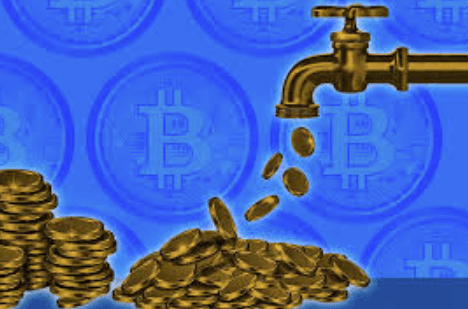
Crypto gas fees are the cost of executing operations on a blockchain, paid to validators for processing and storage. They vary with demand, resource use, and protocol rules, shaping transaction speed and reliability. Fees influence user behavior, dApp economics, and budget planning. They are not merely technical; they affect usability and incentives across the ecosystem. The mechanics are subtle and evolving, and the implications extend beyond simple price tags—there is more to understand before drawing conclusions.
Gas Fees 101: What They Are and Why They Matter
Gas fees, or transaction costs paid to blockchain networks to execute operations, are a function of network demand, resource usage, and protocol rules.
The analysis centers on gas basics, liquidity of demand signals, and predictable costs.
Token economics informs payer incentives and network health.
Skeptical watchers question efficiency, transparency, and the long-term value of fees within decentralized systems.
Freedom-minded readers seek minimal, verifiable costs.
What Moves Gas Prices on Ethereum and Beyond
The price of gas on Ethereum and similar networks is driven by a simple tension: demand for block space versus available capacity, modulated by protocol rules and economic incentives.
The mechanics are not mystical: users compete, validators allocate, and fees reflect congestion, priority, and jitter.
Ethereum scalability implications and Layer 2 budgeting shape outcomes, not magic—skeptical design governs efficiency and freedom.
Practical Ways to Cut Gas Costs Today
There are concrete, actionable steps that users can take now to reduce on-chain costs without sacrificing reliability.
Practical approaches emphasize gas optimization and disciplined fee budgeting, not gimmicks.
Choose transaction timing with lower network load, prefer batches or rollups when possible, and leverage transparent fee estimates.
Skeptical scrutiny remains essential: test, compare, and avoid over-optimistic cost claims.
Freedom hinges on measured, repeatable cost control.
See also: italytribunecom
Reading Gas Metrics to Plan Your Transactions
Reading gas metrics informs transaction planning by turning price estimates and network conditions into actionable steps. The approach remains skeptical of volatility, demanding verifiable data rather than hype. Reading metrics illuminate where gas pricing converges with actual network activity, enabling disciplined planning transactions without relying on guesswork. Analysts compare gas pricing models, assess liquidity, and resist overpayment while preserving user freedom to optimize costs.
Conclusion
Gas fees, at their core, reflect supply and demand for block space and compute. The theory that “fees only rise with activity” holds but misses nuance: protocol optimizations, L2 adoption, and fee markets can dampen spikes. A skeptical reading suggests predictability remains elusive for casual users, yet skilled planners can leverage timing, gas tokens, and layer-2s to stabilize costs. In practice, fees measure network pressure and efficiency, not mere price signals alone.